
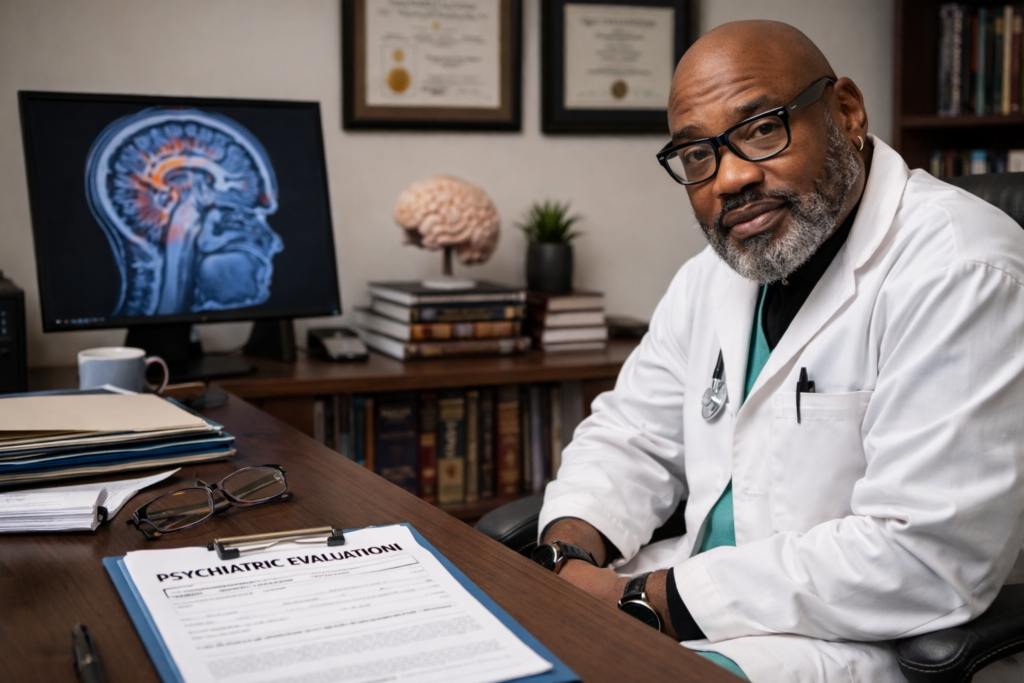
Understanding how symptom onset and function get evaluated in personal injury claims takes more than a quick look at records. These evaluations shape the outcome of legal cases, but most people have no idea what goes into them. A forensic psychiatrist in Atlanta focuses on patterns, not just complaints.
Dr. Dwight A. Owens, M.D., looks beyond surface-level details. He examines how symptoms show up in daily life, not just on paper. That approach helps filter honest struggles from claims that don’t add up.
Below, you’ll get a closer look at how these evaluations work and what matters most.
Key Takeaways
- Early medical records matter more than what someone remembers later in the process.
- How the injury affects work and daily life tells more than a diagnosis alone.
- When symptoms shift without a clear reason, the claim starts to lose credibility.
Pinpointing the First Symptom
The first signs of symptoms in medical records often give the strongest clues. Forensic psychiatrists pay close attention to what’s documented right after the injury. An early ER or urgent care visit can show clear evidence that something was wrong.
Long gaps between the injury and the first report can make a claim harder to support. Waiting too long to speak up may lead others to question whether the symptoms were real or connected to the event. Early records help show a clearer link between what happened and how it affected the person.
Ruling Out Life Stress
In personal injury cases, symptoms don’t always come from the accident itself. A forensic psychiatrist in Atlanta considers what else was happening in someone’s life, such as relationship trouble or job loss. These external factors can sometimes better explain symptoms than the injury can.
Stress that begins before the injury can affect how the case is viewed. Timing helps show what truly caused the emotional or mental struggles. Clear patterns give stronger support than personal stories alone.
Looking Past What the Patient Says
What a person says about their symptoms is just one part of the picture. Forensic psychiatrists watch for real-life signs, like missing work or changes in how someone moves or behaves. These details can show whether the claim matches what’s actually happening.
Everyday habits often reveal more than a list of complaints. If someone says they can’t focus but still handles complex tasks at work, that might raise questions. Actions often tell a clearer story than words alone.
Reap the Rewards of a Forensic Psychiatrist Evaluation
Legal claims fall apart when symptom timelines don’t match the facts. Dr. Dwight A. Owens, M.D., looks past surface complaints to see what the records and real-life behavior say. If you need a forensic psychiatrist evaluation that stands up to scrutiny, Peachstate Forensic Services delivers the depth and clarity your case demands.
Frequently Asked Questions
How do psychiatrists tell if a personal injury claim is real?
They look for patterns that hold up over time, like consistent symptoms and clear changes in daily function. Sudden shifts or vague timelines usually raise red flags.
What records matter most in a personal injury evaluation?
Early medical records, work history, and any documented changes in behavior carry the most weight. These give a clearer picture than later statements or self-reported symptoms.
Can stress from life events affect a personal injury claim?
Yes, if symptoms match unrelated stressors like job loss or family conflict, it can weaken the injury connection. Psychiatrists separate injury-related problems from outside pressures by reviewing timelines and context.